
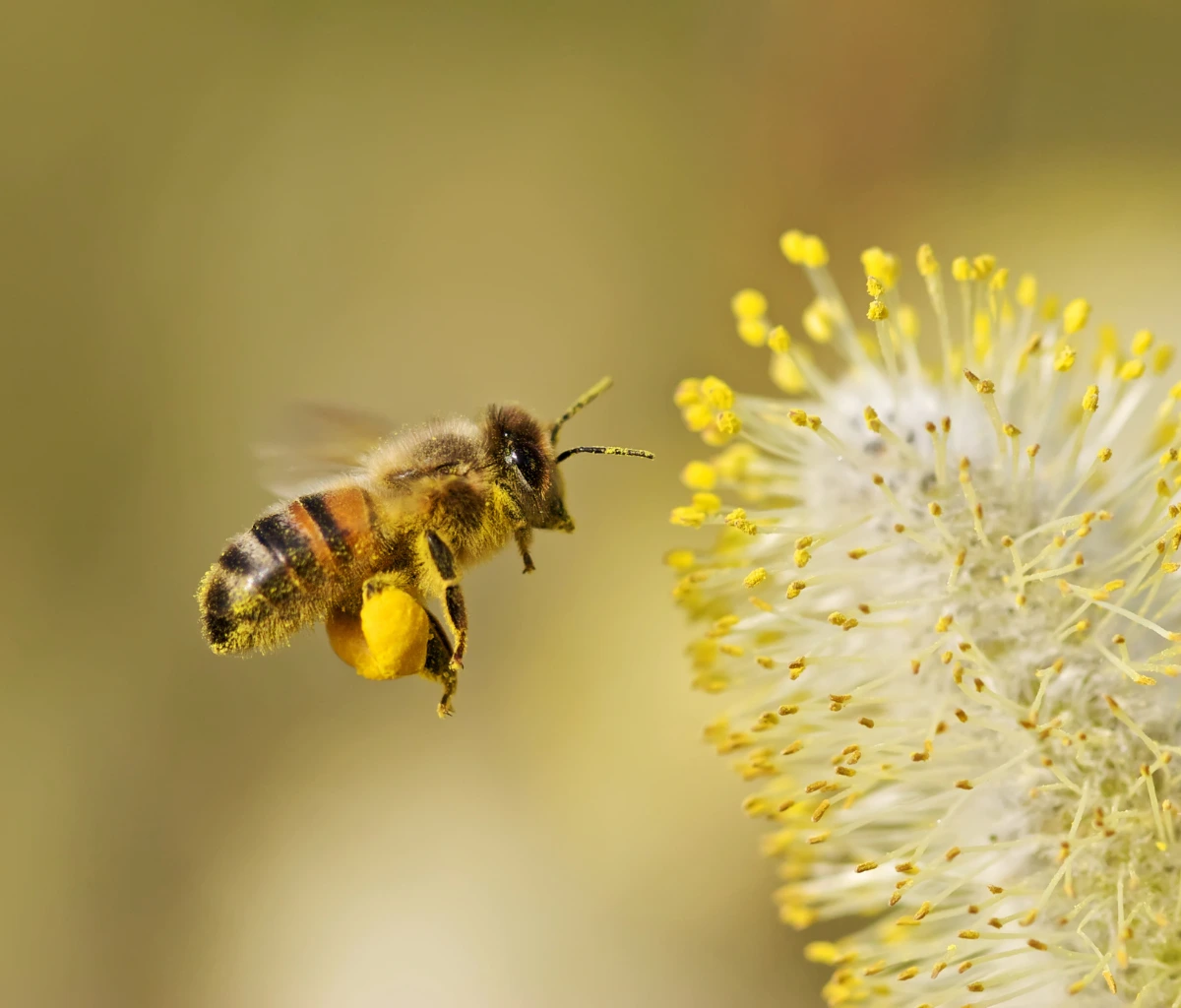
Pollinators are crucial biological agents responsible for transferring pollen from the male to the female reproductive parts of flowers, enabling fertilization that leads to the formation of seeds and fruits. This process, known as pollination, is the backbone of our ecosystem. Remarkably, approximately 75–80% of pollination is carried out by insects, particularly bees. These industrious creatures are vital for pollinating a wide variety of plants, including both crops and wild flora.
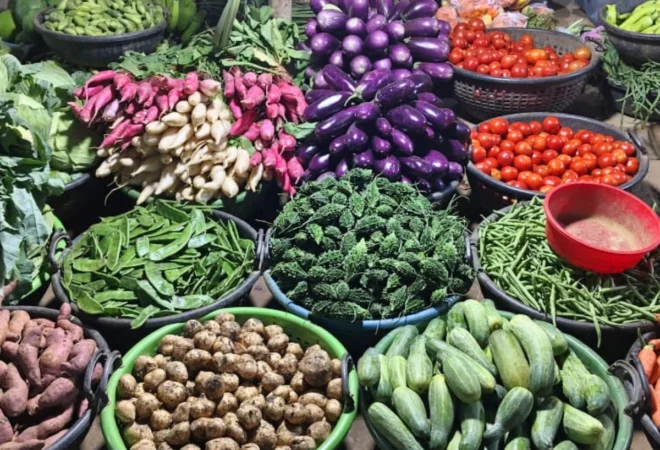
Pollinators are responsible for one-third of the food on our plates—whether it’s fruits, nuts, berries, vegetables, or seeds. Without pollinators, human survival would be at risk. Albert Einstein once emphasized this critical role, suggesting that without bees, humanity could face extinction in just four years.
Did you know Earth is home to over 20,000 bee species? Yet, honeybees, with only eight species, make up less than 1% of the total. This highlights the importance of conserving all bee species, especially the non-honeybees, which are often overlooked despite their abundance.
Bees play a vital role in pollination, biodiversity, and global food production, but their populations are rapidly declining due to:
✅ Habitat Loss – Deforestation, urbanization, and monoculture farming reduce food and nesting sites.
✅ Pesticides & Chemicals – Neonicotinoids and herbicides disrupt bee health and navigation.
✅ Climate Change – Rising temperatures and extreme weather disrupt flowering cycles.
✅ Diseases & Parasites – Varroa mites, Nosema, and viruses weaken bee colonies.
✅ Colony Collapse Disorder (CCD) – Worker bees mysteriously disappear, leaving hives to collapse.
✅ Invasive Species – Predators like the Asian giant hornet threaten honeybee populations.
✅ Nutritional Stress – Lack of diverse nectar and pollen weakens immune systems.
✅ Light Pollution – Artificial lights disrupt natural bee behaviors.
Bee conservation can begin with small, local interventions that make a big impact:
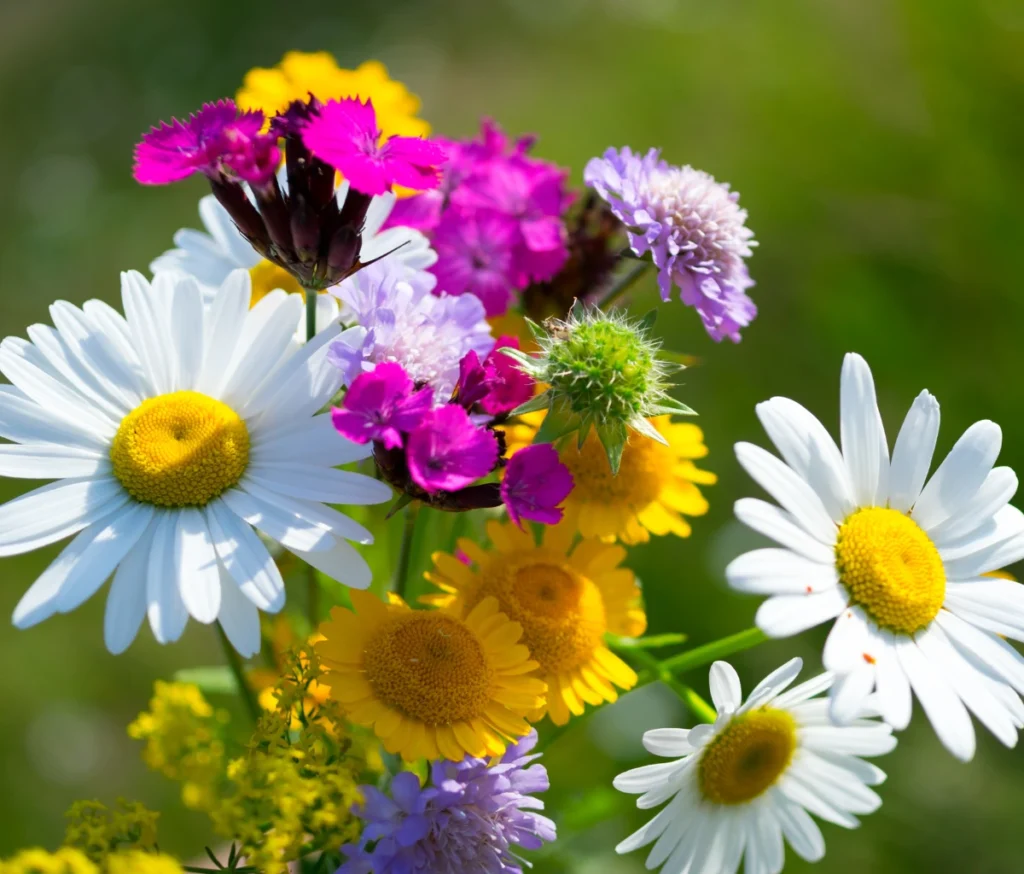
Managing wildflowers on farm boundaries and in natural spaces provides bees with essential food sources.
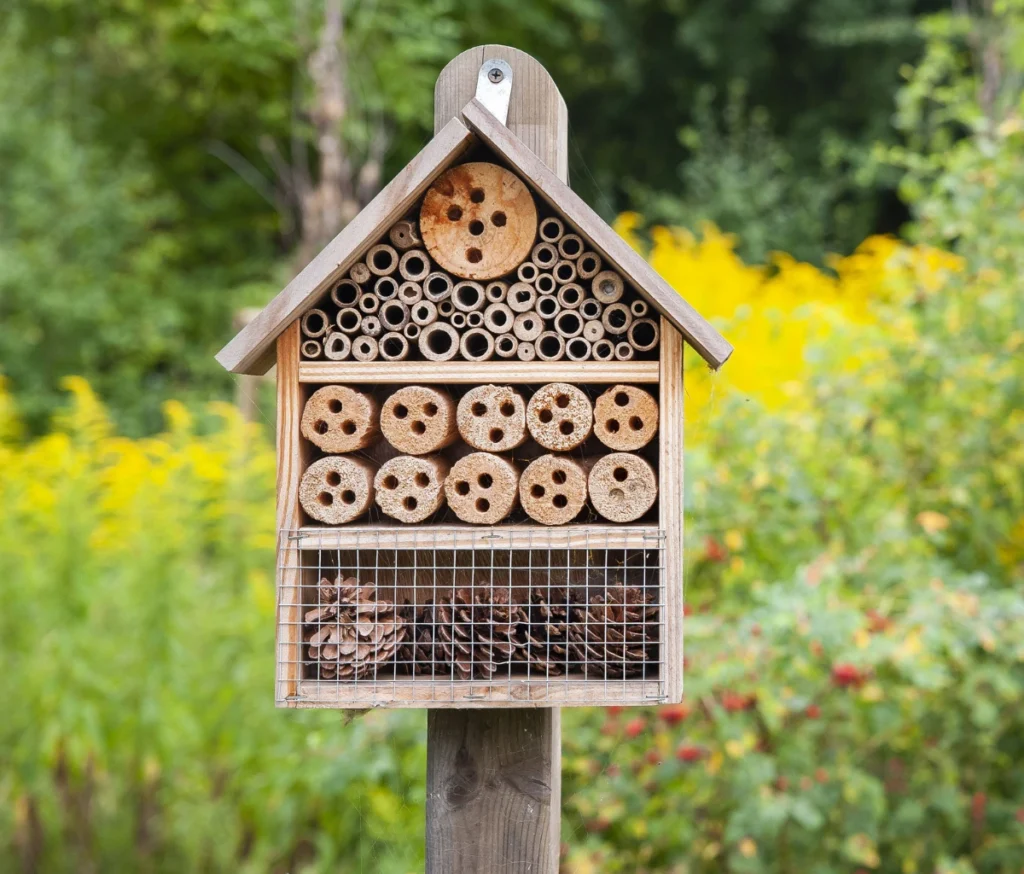
Build bee hotels or provide nesting structures to support diverse pollinator species.
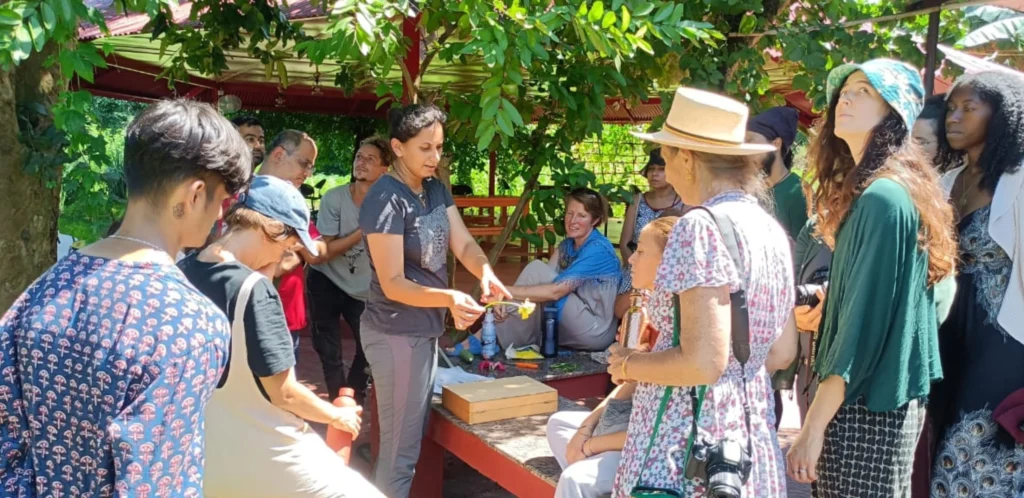
Engage in community initiatives to rejuvenate local ecosystems and protect pollinator habitats.
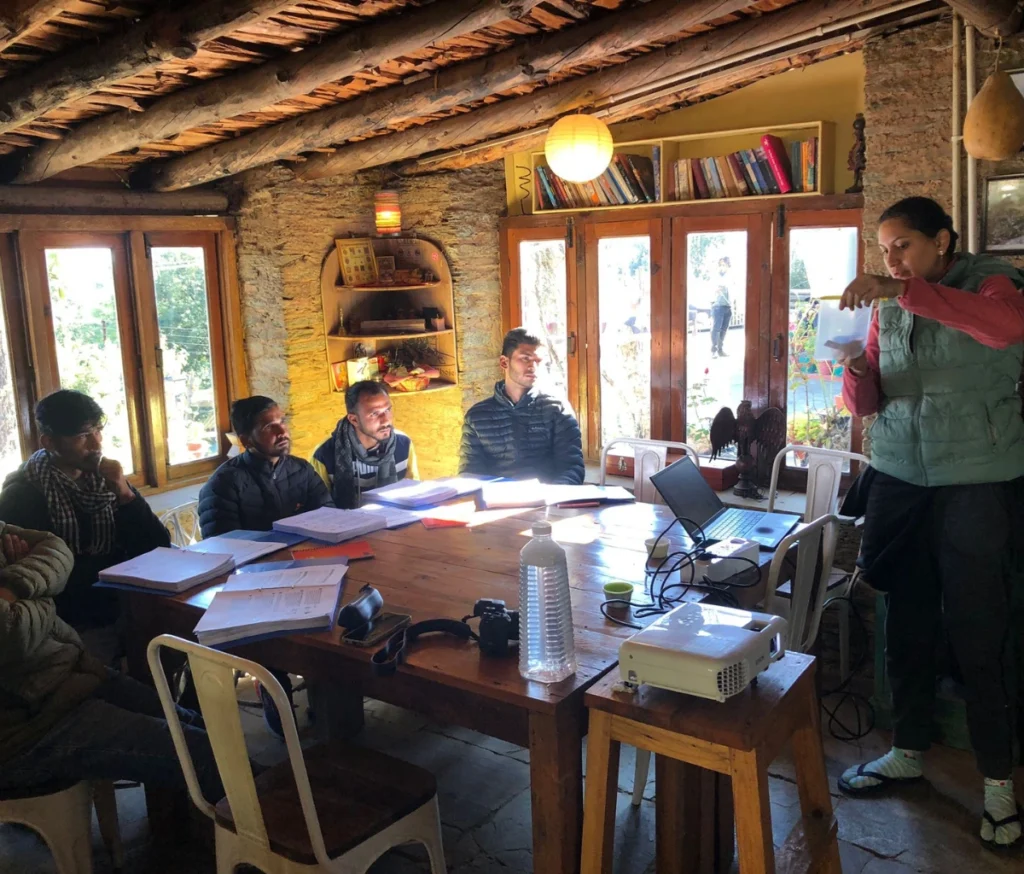
“I am an ecologist with interest in insects, particularly the wild bees and their habitat. I also work in collaboration with organic and permaculture farmers to understand the role of insects and their enrichment in these managed habitats for enhancing plant productivity. I have over 12 years experience with working on insect ecology and over 3 years experience on biodiversity assessment and monitoring of mammals and vegetation.”
~ Preeti Virkar
Dr. Preeti S. Virkar is a seasoned ecologist with over a decade of experience in wildlife science, pollinator conservation, and biodiversity research. With a Ph.D. in Wildlife Science focused on bee ecology in Doon Valley, she has dedicated her career to studying insect-plant interactions, pollinator conservation, and sustainable agriculture.
Preeti has collaborated with esteemed institutions such as Cornell University, Navdanya Trust, and the Wildlife Institute of India, where she has led extensive field research, curated insect specimens, and developed pollinator awareness programs for farmers, students, and conservationists. Her expertise spans ecological surveys, species identification, habitat assessment, and policy advocacy for biodiversity conservation.
An experienced educator, she has taught courses on insect ecology and pollinator conservation, sharing her knowledge with aspiring researchers and conservation practitioners. She has also been an invited speaker at national and international forums, highlighting the critical role of pollinators in ecosystem resilience and food security.
Currently serving as an Ecology Consultant at Navdanya Trust and a Consultant for Cornell University, Preeti continues to contribute to research and conservation efforts aimed at protecting pollinators and promoting agroecological practices. Her passion for environmental sustainability and her commitment to science-driven conservation make her a vital advocate for biodiversity and ecological balance.
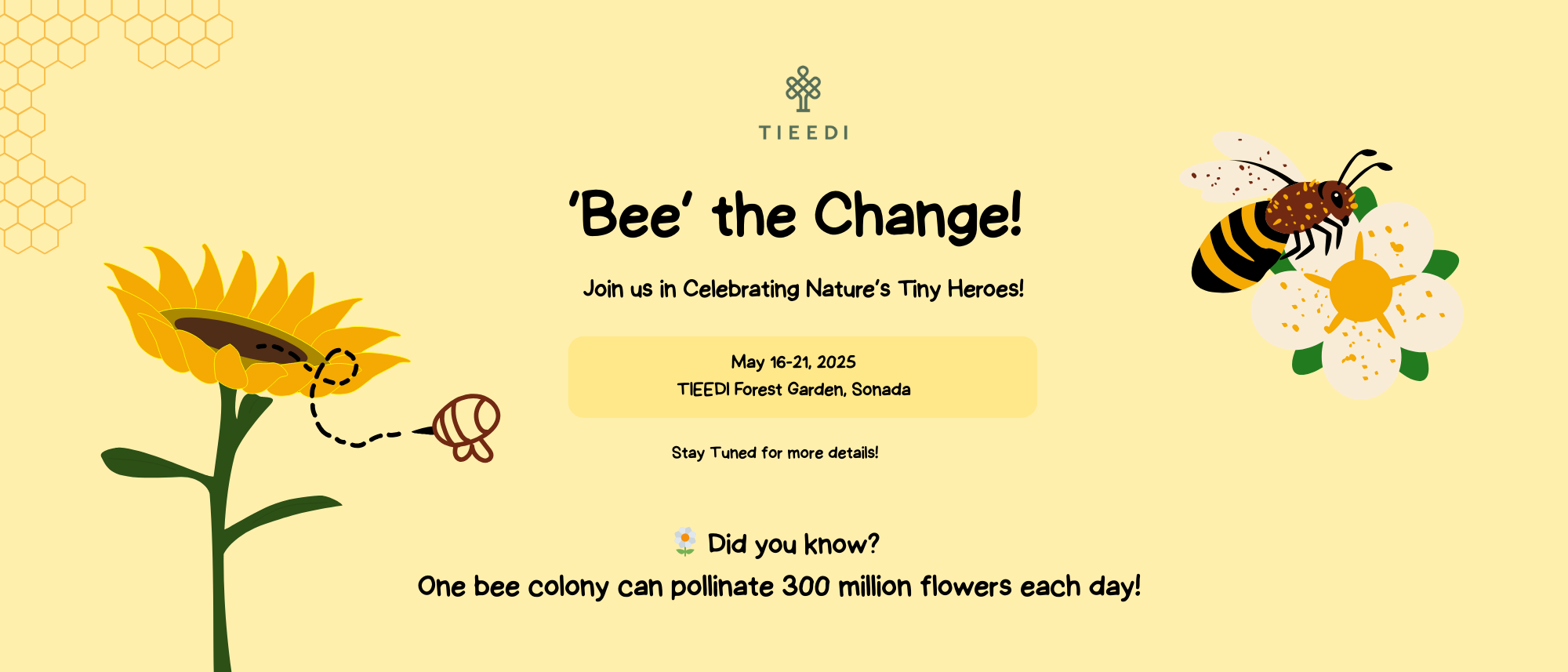
Want to learn more about pollinators, bees, and how you can help conserve them? Join us this May for our workshop, “Bee The Change,” at TIEEDI. Together, let’s take meaningful steps to safeguard these tiny, indispensable heroes of nature! For more information, fill the form below.