
Ladakh: A Land of Paradox That Stays With You
- November 1, 2025
- 2 Comments
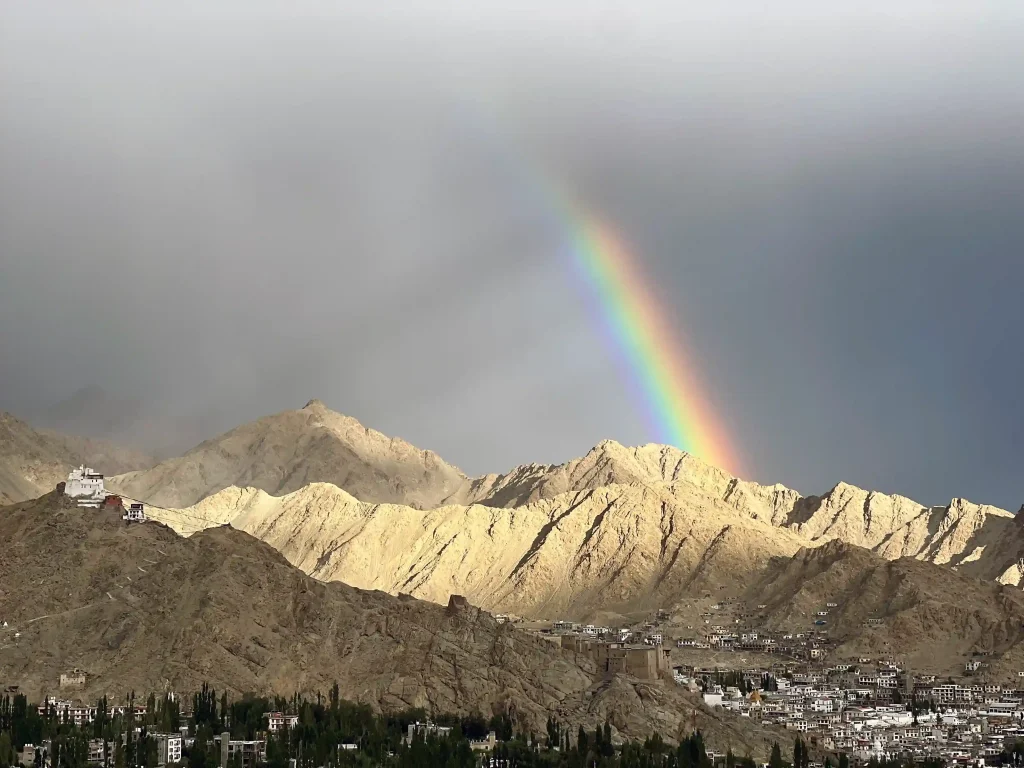
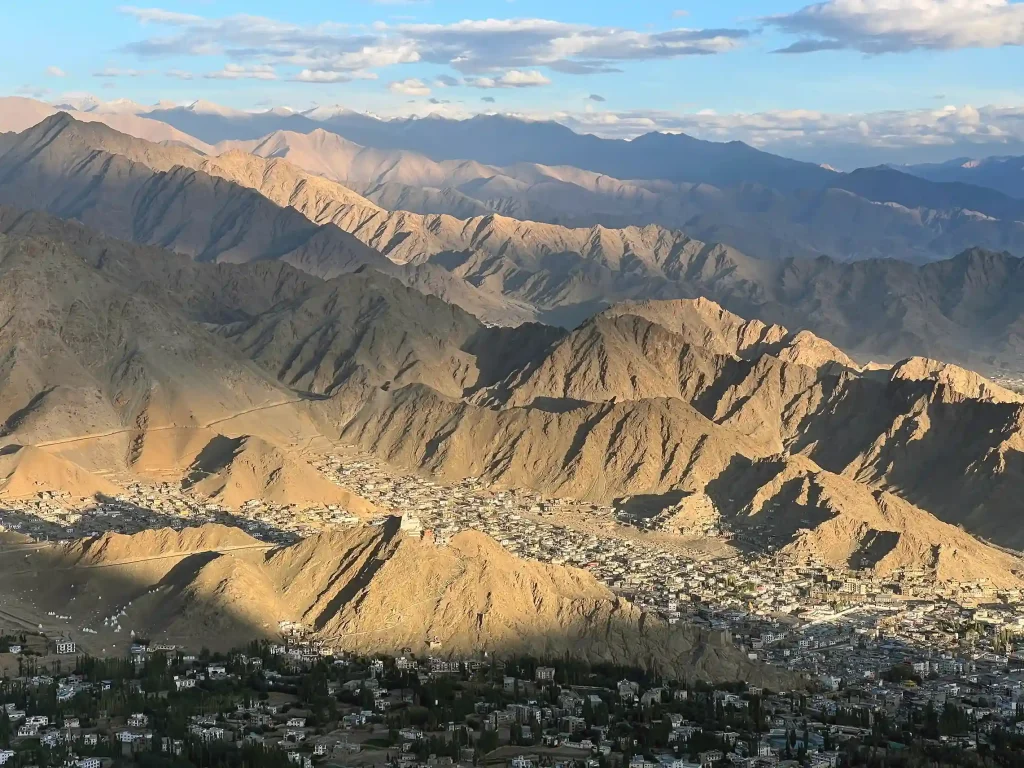
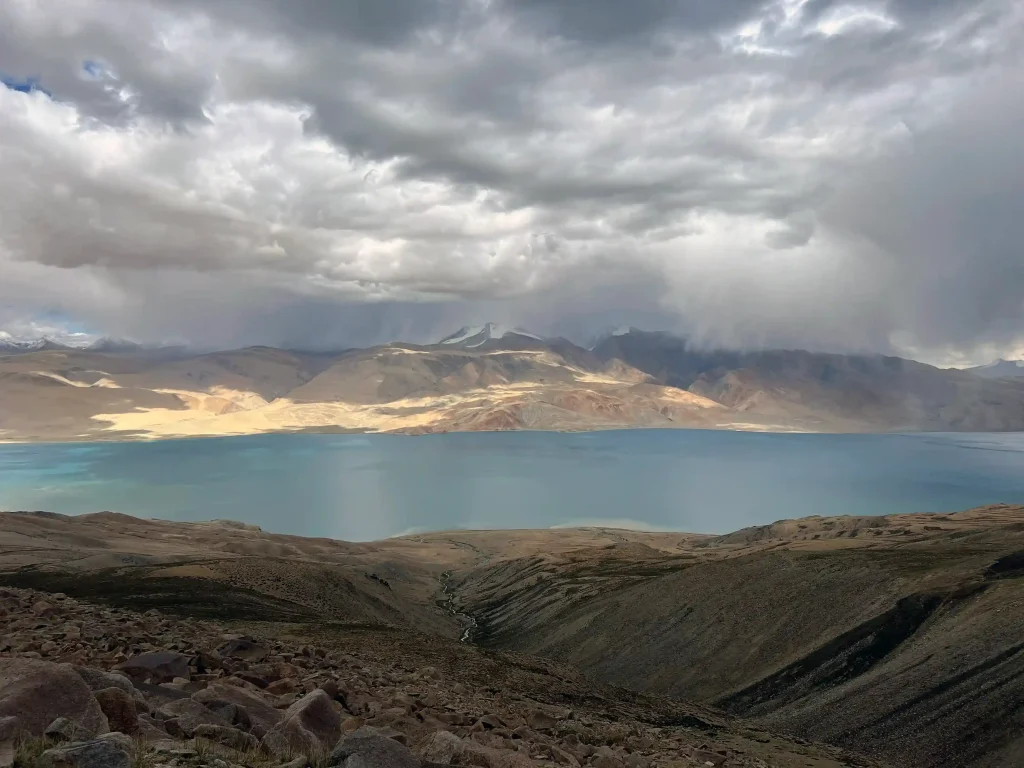
Ladakh sits in the mind like a paradox. Brown hills meet the impossible blue sky, yet somehow the colours belong together. A quiet Buddhist culture, and yet some of India’s highest gallantry awards. A high-altitude desert that keeps teaching the rest of us what resilience actually looks like.
This isn’t a travel note. It is a note to every Indian, because what happens in Ladakh will shape lives far beyond those valleys.
Starting with the ice. In a few short decades Ladakh has lost a large share of its glaciers. Those sheets are not local ornaments. They are Asia’s water towers. Two billion people lean on their slow, ancient generosity. When the towers shrink, the plains feel it.
Then the numbers on the ground. Ladakh holds about three lakh residents and now hosts close to a million visitors each year. That is a lot of footsteps on very thin soil, a lot of fuel and gear and selfies and strain on water that should last a long winter.
And now the third piece everyone is debating. Mega renewables. A proposed solar-and-wind build at a scale said to be many times larger than India’s biggest operating solar farm. Although clean energy is not the villain, the question is simple and hard. Where and how do we build so that we do not unthread a landscape that survives through a delicate choreography of wildlife, herders, and wind?
Who decides for a fragile place?
There is another conversation running alongside. Many people in Ladakh are asking for inclusion under the Sixth Schedule. It is a way to keep more decision-making in local hands while staying within the Union. In a place this fragile, that sounds less like politics and more like basic good sense. Let the original custodians bring the answers on what the land can and cannot carry.
Ladakh already showed the world what thoughtful innovation can look like. Think of the ice stupas that teams led by Sonam Wangchuk shaped from winter winds and pipework. Water stored in ice cones so fields can drink when spring arrives. That is cleverness in service of wisdom.
A decade-old lesson that stuck
I went to Ladakh a decade ago, mid-way through a season of figuring my life out. The altitude rearranged my breath. The culture rearranged my sense of time. I had just watched Ancient Futures: Learning from Ladakh, adapted from Helena Norberg-Hodge’s book. There is a line a farmer sings during harvest that has never left me. In Ladakhi it lands as “Take it easy, easy does it.” It sounds like a lullaby. It is also a design brief. This is the sentence that seeded TIEEDI. Work with what is already there. Repair more than you replace. Leave room for slow miracles.
Clever vs. wise
So when I look at Ladakh today, I keep circling the same question. Are we being wise, or are we only being clever? Clever is a press release and a ribbon-cut. Wise is what balances after the cameras leave. Wise is a plan that keeps herders on the range and water in the channels in May. Wise is asking a landscape what it can hold and listening when it says “not like this.”
Watch our short video on the same
Related reading: our note on Himalayan landslides and mountain ecology (Darjeeling landslides: nature’s fury or our fault?)
#saveladakh <3
Truly!